
Kucul Kucul Clothing notes
A rack of hanging coats lit by sodium light in a warehouse rail at midnight
L.01

A brand name is a shortcut, and shortcuts are only useful if you know what they point to. Here is what each American label actually stands for.

American brands and what they actually stand for

Editorial note · no ranking, nothing for sale

L.01–04

This page profiles the American labels that shape how people dress, from heritage denim to quiet luxury to performance wear. Two garments can look identical and come from brands with completely different priorities. Knowing the difference helps you predict how a piece will age, how it will fit, and whether the price reflects material or marketing.

Why brand context matters

One brand may be built around durability and domestic production, the other around seasonal novelty. That difference shows up in fibre content, seam construction, and how quickly a shape disappears from the line.

That is the point of this page: not to tell you what to buy, but to give you the background that makes a label meaningful when you read one.

What to check

Fibre content and construction, not adjectives.

What it predicts

How a piece ages and how a fit will hold.

What to ignore

Seasonal novelty dressed up as quality.

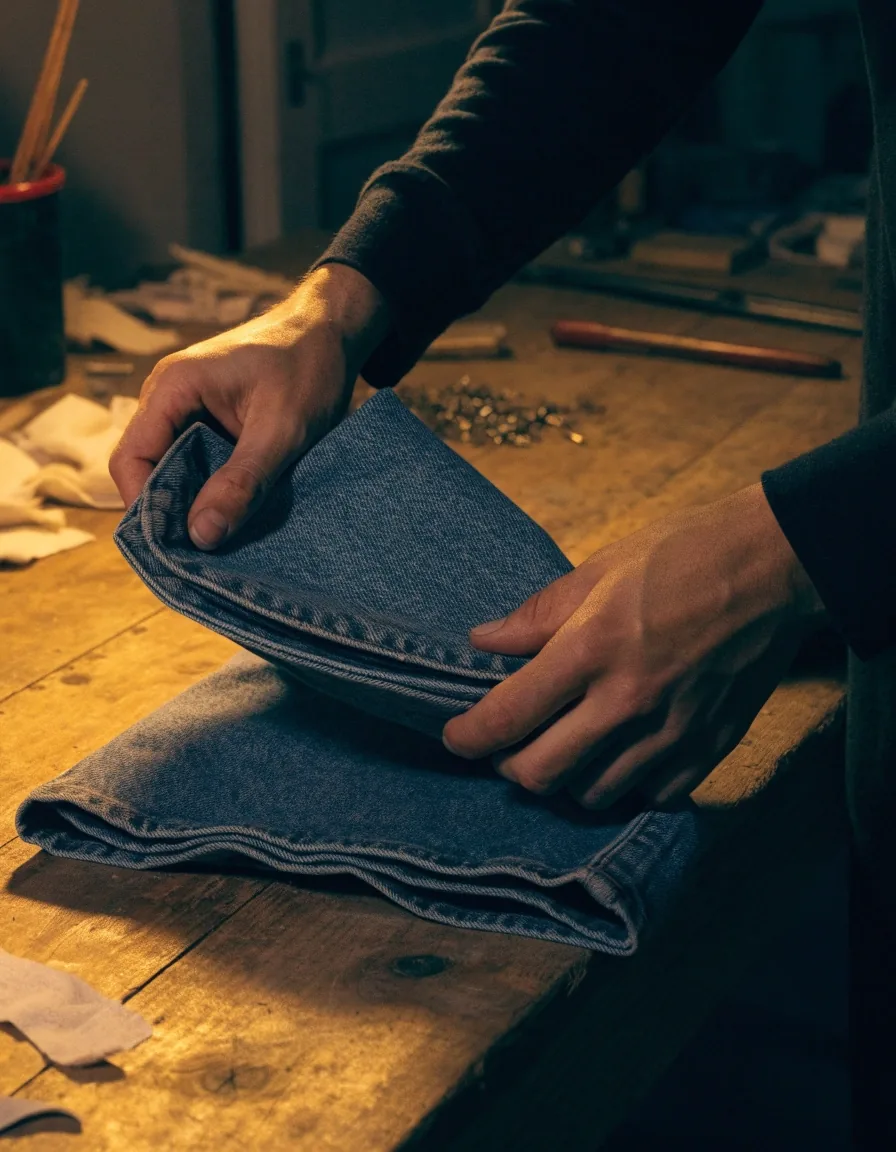
Two folded denim garments stacked under amber light, twill texture close up
Same shape, different priorities
A figure in an oversize coat walking away down a wet midnight sidewalk L.01–04–09

Read the label

A brand tells a story. The story is not the same as the product, and the gap between them is where most shopping mistakes are made.

Levi's and the denim standard

Heritage denim

Levi's remains one of the most recognizable clothing brands in the United States, and its role in the market is unusually stable. It anchors the conversation about denim, classic fit, and American casual in a way few brands manage across decades.

Part of that is history, but part is practical: the brand's core shapes have stayed close enough to their origins that they still function as a reference point for everyone else. When another label describes a jean as a straight leg or a relaxed taper, it is working in a vocabulary Levi's helped standardize.

Practical takeaway: if a new jean describes itself in Levi's terms, you already know roughly how it will sit. That is what a reference brand buys you.

Nike beyond the gym

Performance wear and streetwear

Nike's influence on American dress is easy to underestimate if you only think of it as sportswear. The brand shapes performance wear, sneakers, and streetwear, and its presence in everyday fashion goes well beyond athletics.

Sneakers became default casual footwear in most of the country, and that shift owes a great deal to how Nike positioned its products culturally rather than functionally. Reading Nike as a fashion object rather than equipment explains a lot about how casual American style developed.

Worn sneakers on wet pavement under sodium streetlight, low angle
Sneakers as default footwear
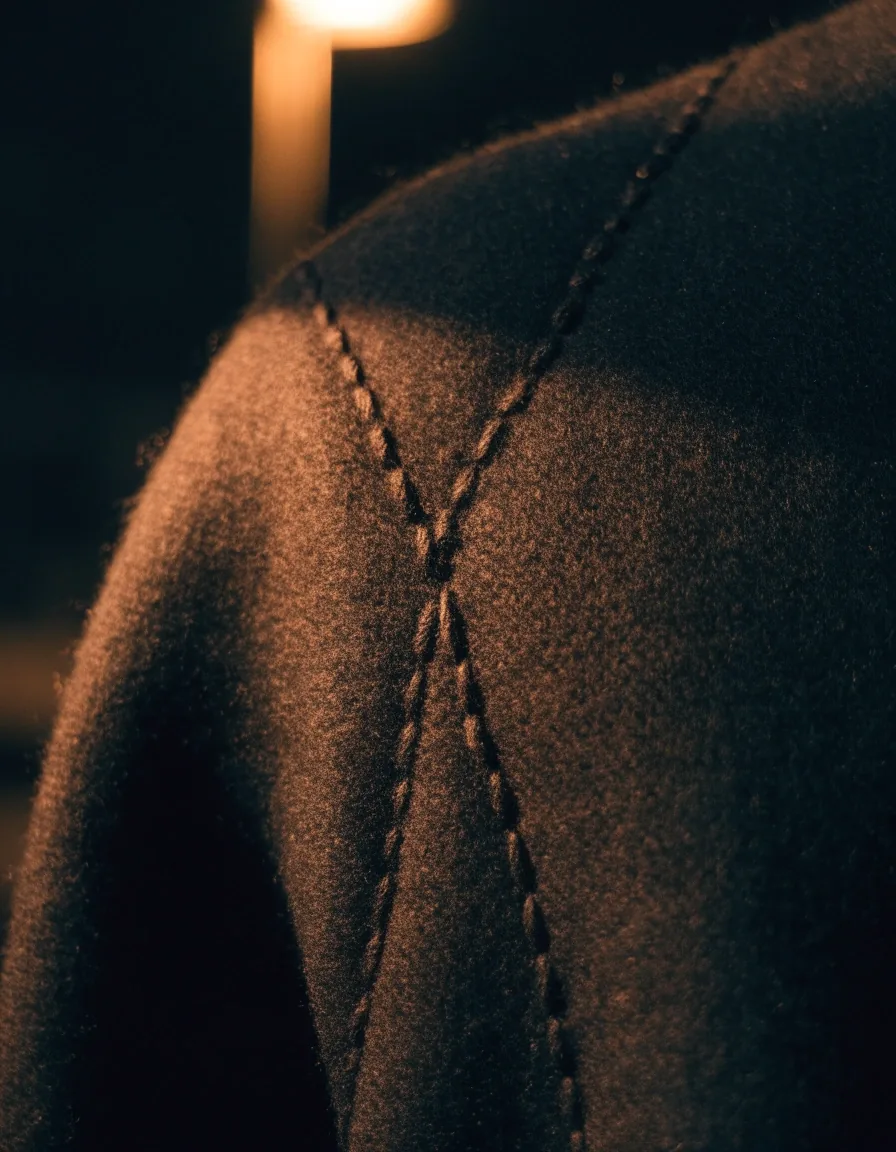
Hand-stitched wool coat shoulder seam under amber light
Form and material, no logo

The Row and quiet luxury

Quiet luxury

The Row is often described as one of the strongest American luxury clothing brands, and it built that reputation on minimalism and very clean cutting. It has become a symbol of discreet luxury in contemporary fashion writing.

The interesting part is what is absent: no prominent logo, no seasonal gimmick, no obvious signalling. The brand sells form and material instead. Whether or not the price is justified for you, the approach is worth understanding because it shaped how a lot of American labels now talk about quality.

American Giant and made in USA

Made in USA

American Giant appears regularly in lists of made-in-USA clothing brands, and it is associated with casualwear, hoodies, and everyday essentials. Its relevance here is as a case study in how a brand builds value around production and durability rather than luxury positioning.

That is a different argument from The Row's, and it appeals to a different reader: someone who wants a basic garment that lasts and cares where it was made. It is a useful counterweight to the idea that quality is always expensive.

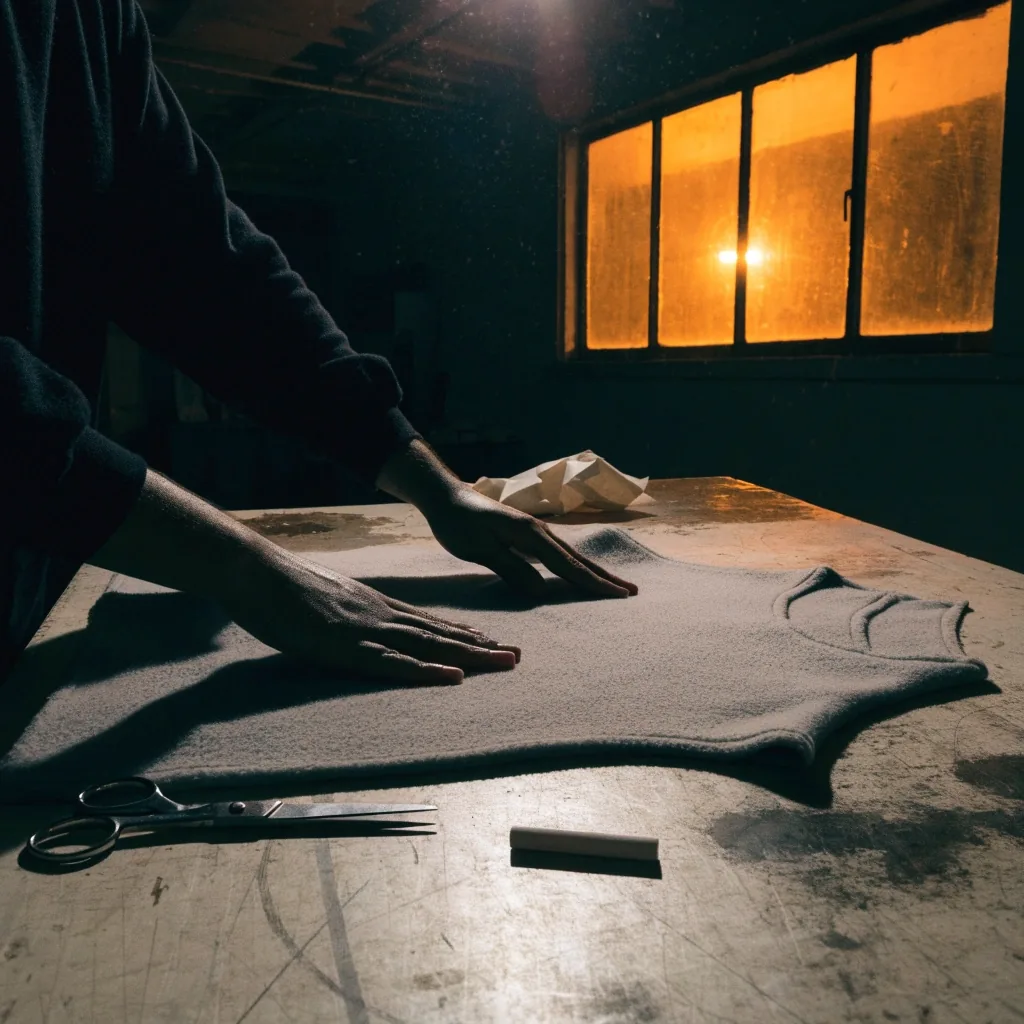
Hands on a cutting table with a half-finished garment in a midnight workshop
Production and durability as the pitch

How fashion media frames a brand

Magazines are not clothing labels, but they set the vocabulary that labels borrow. Understanding who speaks to which reader makes any trend claim easier to place.

Vogue and the language of fashion

High fashion and celebrity coverage

American Vogue remains one of the most recognizable fashion brands in the country and is widely used as a reference for runway and cultural coverage. Its editorial focus leans toward high fashion, beauty, and celebrity, and its tone has set a standard for what fashion writing sounds like for a long time.

That influence matters when reading any trend claim, since much of the vocabulary the industry uses traces back to publications like it.

Glamour and everyday style

Style as daily life

Glamour has long connected fashion to beauty, lifestyle, and popular culture, which makes it a useful reference for how style shows up in ordinary consumption rather than on runways. Its audience is broad, and its coverage tends to treat fashion as part of daily life rather than a separate pursuit.

That is a different register from Vogue's, and both are worth knowing if you want to understand how fashion media reaches different readers.

Teen Vogue and generational framing

Style and identity

Teen Vogue is a notable fashion publication for younger American readers, and it is known for connecting style to identity, pop culture, and social commentary. Its approach to fashion is often framed through the concerns of its audience rather than through trend reporting alone, which is why it reads differently from legacy magazines.

For anyone trying to understand how Gen Z talks about clothing, it is one of the clearer references.

The Good Trade and conscious consumption

Conscious fashion

The Good Trade publishes coverage of conscious fashion, ethical brands, and sustainable consumption, and it has produced guides to made-in-USA clothing brands. Its audience tends to want less impulse and more intention in what they buy.

That is a distinct editorial position, and it is useful for readers thinking about fabric composition and wardrobe longevity without wanting a lecture about it.

Reading a brand claim critically

Every brand tells a story, and the story is not the same as the product. None of the habits below require cynicism, just a willingness to ask what a claim is based on.

That habit is more valuable than any list of recommended brands.

Claims heritage
Check whether the manufacturing matches. A long history on paper means little if the garment no longer comes from the same place.
Claims quality
Look at fibre content and construction rather than adjectives. Wool percentage and seam finishing tell you more than any tagline.
Claims sustainability
Ask what specifically is being measured. A stated material or process is checkable; a general promise is not.
Claims a fit
Compare the described cut to a shape you already own. Straight leg, relaxed taper, and oversize are useful only when they map to something real.

Questions readers ask

Short answers about how this page works and what it does not do.

Do you rank these brands?

No. This page explains what each brand represents. Which one suits you depends on fit, budget, and what you actually need.

Are these recommendations?

They are profiles. We do not sell clothing or earn commission from any brand mentioned here.

Why include magazines alongside clothing brands?

Because fashion media shapes the vocabulary the industry uses. Understanding who sets the terms helps you read brand claims more critically.

Where to go next

Brand context is one part of dressing well. These three guides pick up where a label stops explaining itself.

452 W Broadway, New York, NY 10012 · Monday–Friday, 9:00 AM – 6:00 PM

L.01–04–09