
 L.01
Trend coverage usually arrives as a list of things you are supposed to want. This page explains what is changing in how Americans dress, why a silhouette or fabric is showing up, and how to judge whether it belongs in your wardrobe.
What's actually moving in American fashion
What follows is a filter, not a shopping list. Four seasons of American dressing have been folding into each other, and the useful question is not what is new but what has stopped changing. Read the chapters below in order if you are deciding what to wear this season; read the last one first if you are deciding what to buy.
How a trend becomes real
A look earns the name trend when it appears in three places at once: on designer runways, in street style photography, and in the ordinary stores most people actually shop. Any one of those alone is noise. A runway moment that never reaches retail is a press story. A store full of a silhouette nobody photographs is a clearance rack waiting to happen.
When all three line up, you are looking at something that will shape what is available for the next year or two, whether or not you personally adopt it. The gap between those three signals is also where most seasonal writing goes wrong. A magazine will call something a trend on the strength of a single runway week; a retailer will call something a trend because it is on the shelf. Neither tells you whether the shape will still be around when you need a coat.
The oversize question
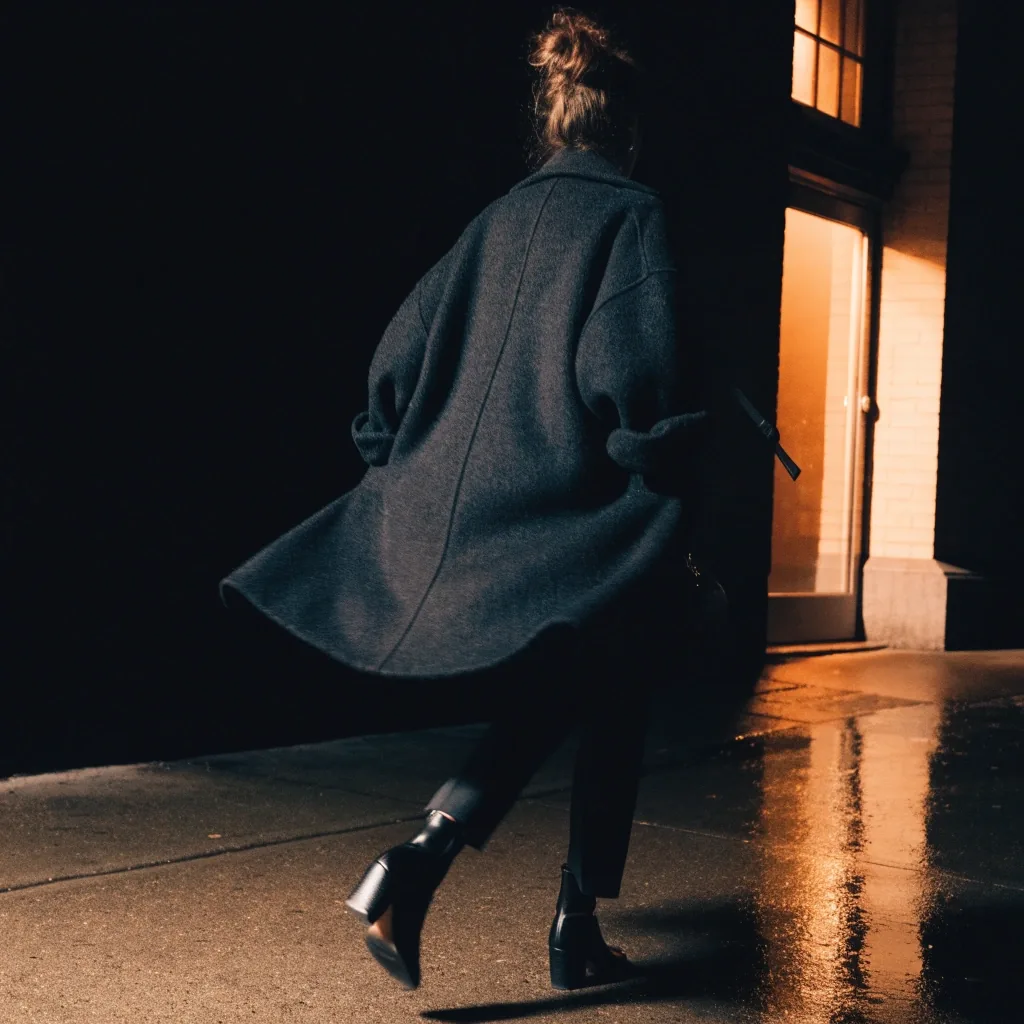
The relaxed silhouette remains the dominant American shape, and it is worth understanding why rather than copying it. The proportion works by dropping the shoulder seam and widening the body. It reads as considered rather than careless when the fabric has enough weight to hold the line.
The common mistake is going oversize in a thin, flimsy material, which collapses instead of draping. If you are trying the look for the first time, keep one element loose and the rest closer to your actual size.
Reading a relaxed shape
Shoulder seam position
Dropped, not slidingFabric weight
Heavy enough to drapeBody volume
One element loose, not twoLength break
Clean, uncluttered hem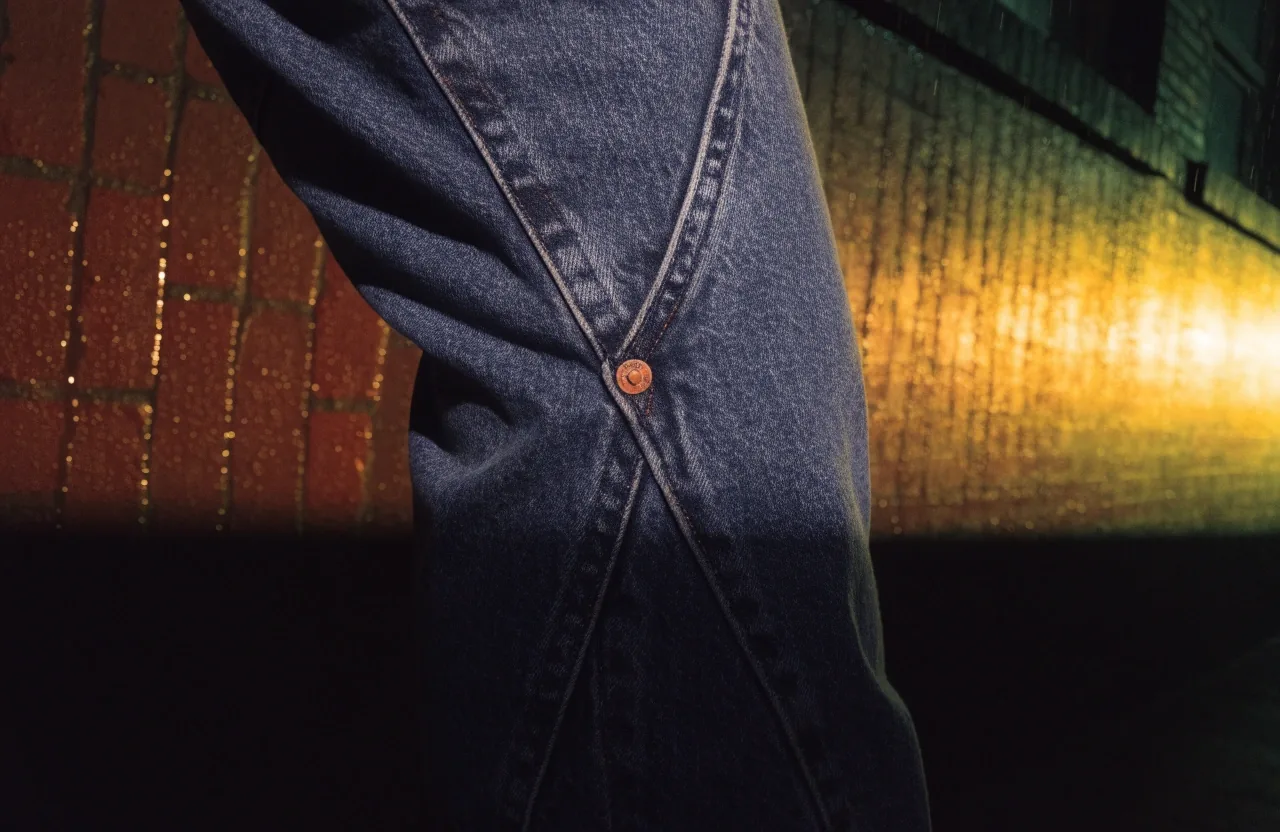 L.05–06
Denim keeps its grip
No category moves as slowly or matters as much in the US as denim. Levi's remains the reference point for classic fit and American casual, and its influence shows up in how every other brand describes a straight leg or a relaxed taper. Even brands that would never admit to copying describe the same proportions in the same words.
The current shift is away from extreme cuts and back toward proportions that work across body types: mid-rise, straight through the leg, a hem that breaks once. If you own one pair of jeans, that is the shape most likely to stay useful. The trend here is not a new cut but a return to a plain one, which is why it has lasted.
Rise
Mid, sitting on the hip bone rather than above it or below.
Leg
Straight through the thigh and calf, no taper above the ankle.
Hem
One break over the shoe; a second break is a tailoring note, not a trend.
Layering as a system
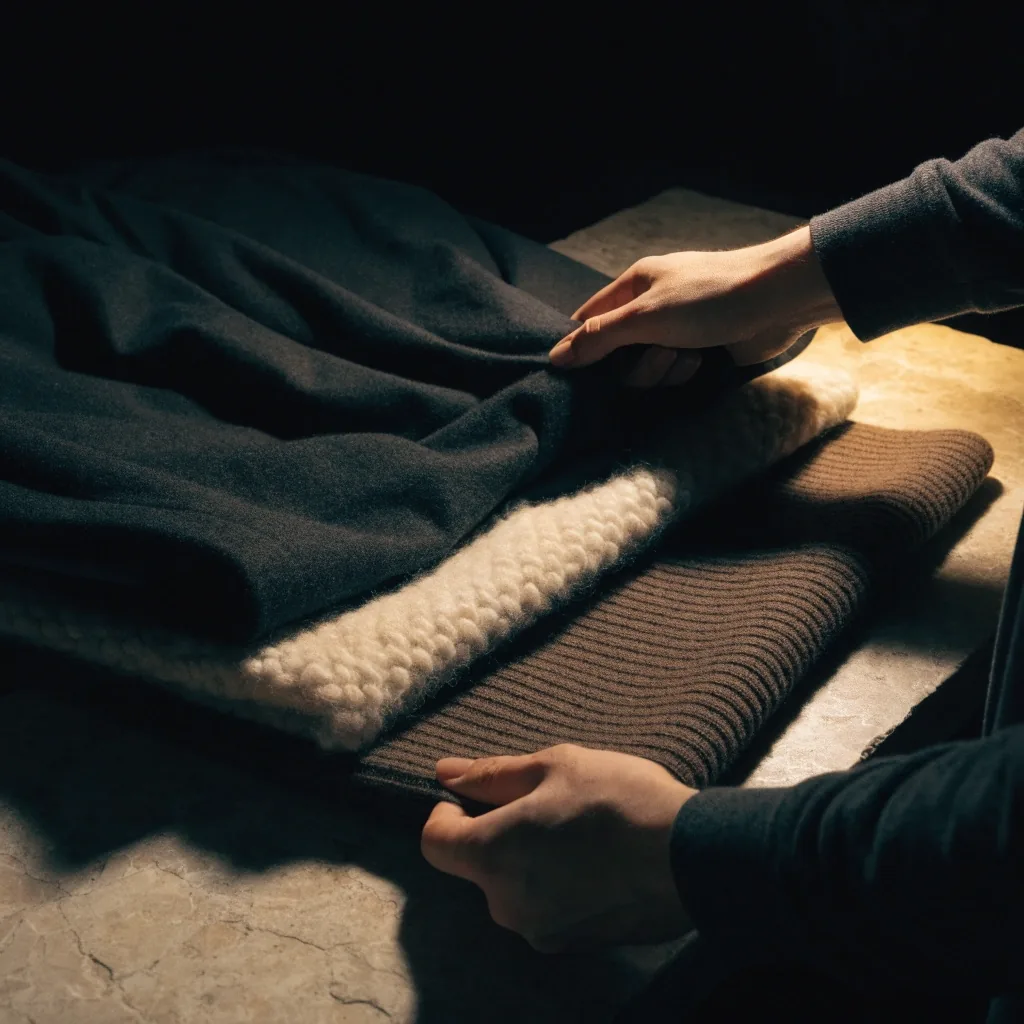
Layering is often taught as a styling trick, but it is really a temperature and proportion problem. A base layer sits close to the body, a mid layer adds warmth or texture, and an outer layer handles weather and defines the silhouette. Each one has a job.
If two layers are doing the same job you get bulk without benefit — a second thin knit under a thin knit, a second coat over a coat. The practical test: can you remove any single layer and still have a complete outfit? If yes, the system works. If removing the mid layer leaves the outfit unwearable, the mid layer was carrying the shape and the base was too light.
Where street style actually comes from
Street style photography captures a specific kind of person in a specific kind of city, and it is worth remembering that when you see a look described as everywhere. Much of what gets photographed in New York is not what gets worn in most of the country, and a photo from outside a show is not a report on a nation's closet.
Nike's presence in everyday American dress, for instance, comes less from runway influence than from sneakers and performance wear becoming default casual footwear. Useful trend reading means separating what is influential from what is merely visible. Visibility is easy to photograph; influence is what actually changes what stores stock next season.
Visible vs. influential
- Photographed on a street outside a show — a moment, not a shift.
- On the floor of a store most people shop — the trend has reached the shelf.
- Still on the shelf a year later — the shape has held and is worth your attention.
Quiet luxury, read plainly
Fewer, better-explained pieces
Quiet luxury and its limits
The quiet luxury conversation, with The Row as its clearest American example, pushed back against logo-heavy dressing. The appeal is obvious: clean cut, good material, nothing shouting. The limit is equally obvious. A minimalist wardrobe still requires the pieces to fit well, and fit is where most of the money actually goes.
You can adopt the aesthetic without the price tag if you are willing to spend time on tailoring and fabric instead of labels. A plain wool coat that has been taken in at the shoulder will read better than a designer coat that has not. That is the whole argument, and it is worth repeating because it is the part most seasonal coverage skips.
Reading a trend before you adopt it
Before buying into anything on this page, ask three questions. A trend that passes all three is worth considering. One that fails the first question is worth ignoring no matter how many times you see it photographed.
Does the silhouette work with the proportions you already have?
First questionCan you wear it with at least two things already in your closet?
Second questionWill it still look reasonable in three years?
Third question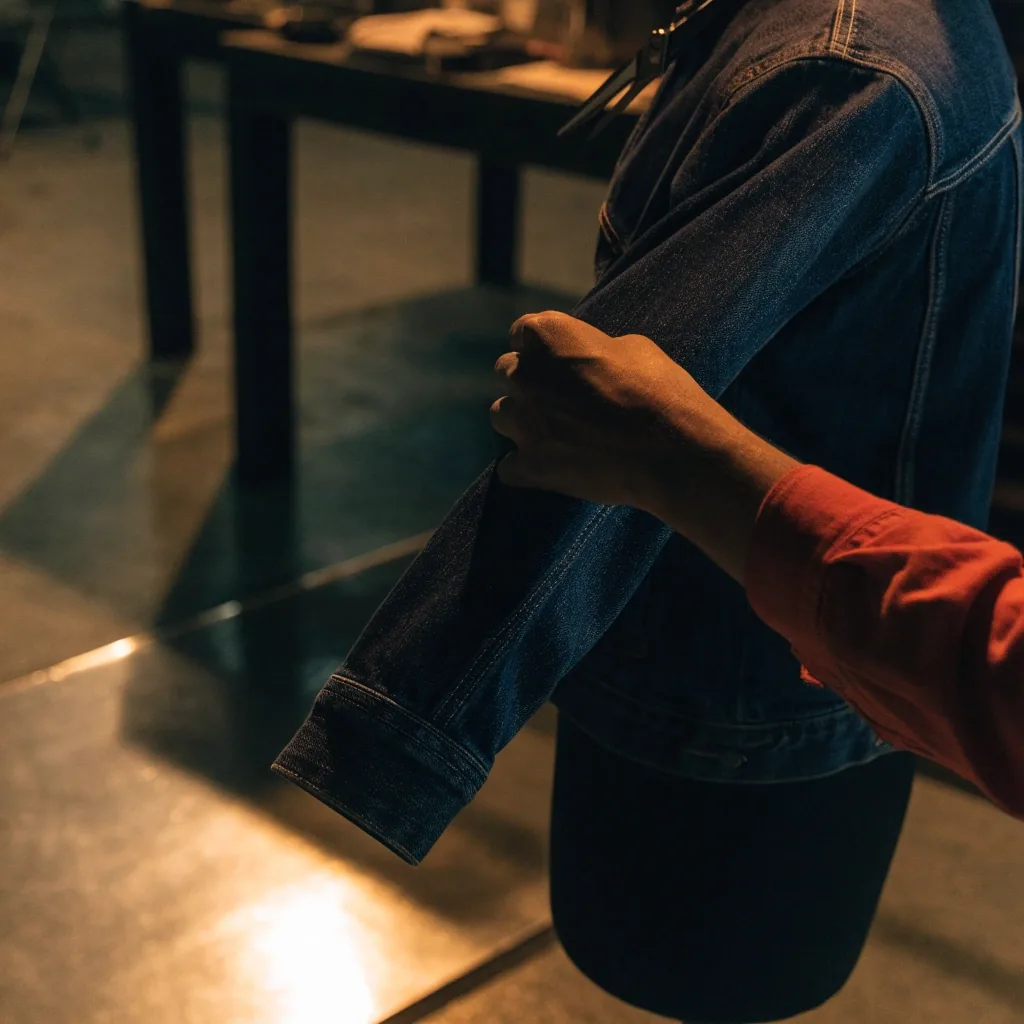
What we're watching next
The direction of travel in US fashion is toward fewer, better-explained pieces. Readers ask about provenance and durability more than they used to, and brands at every price point are responding with claims about construction and origin. That is mostly good, though it also means more marketing language to cut through.
We will keep covering the shift as it develops, and we will say when a claim does not hold up. If a brand tells you a fabric is worth the price, we will look at what the fabric actually is. If a silhouette is being called a trend, we will check whether it has reached the stores most people shop, or whether it is only being photographed.
Questions readers ask about the season
Short answers to the questions that come up most often when a new silhouette is being covered everywhere at once.
Should I replace my wardrobe every season?
No. Most seasonal shifts are variations on shapes that already exist. Replace pieces when they wear out or stop fitting, not when a trend cycle says so. A well-cut coat from four seasons ago is not out of date because a shoulder seam moved a centimetre.
Is oversize still current?
The relaxed silhouette remains dominant in American fashion, but it works best in fabrics with enough weight to hold their shape. If the material is thin, the same cut reads as rumpled rather than deliberate, and no amount of styling will fix that.
How do I know if a trend suits me?
Check the silhouette against your proportions first, then confirm it pairs with at least two pieces you already own. If both answers are yes, the trend is worth a try. If the first answer is no, no amount of good styling will make the shape sit right on you.
Where to continue
Read the season, then read the wardrobe
The trends above only matter once they meet what you already own. The next two chapters take that further: how a small wardrobe is built around a few good shapes, and how to read a garment's construction before you commit to it.
Questions about what to wear for a specific occasion, or about a brand's claims? Write to us at [email protected] or call +1-212-555-0198. We answer Monday to Friday, 9:00 AM – 6:00 PM.
The index so far
The frame that opened this page
L.01A trend becoming real, and the oversize question
L.01–04Denim, layering, and where street style comes from
L.01–04–09