
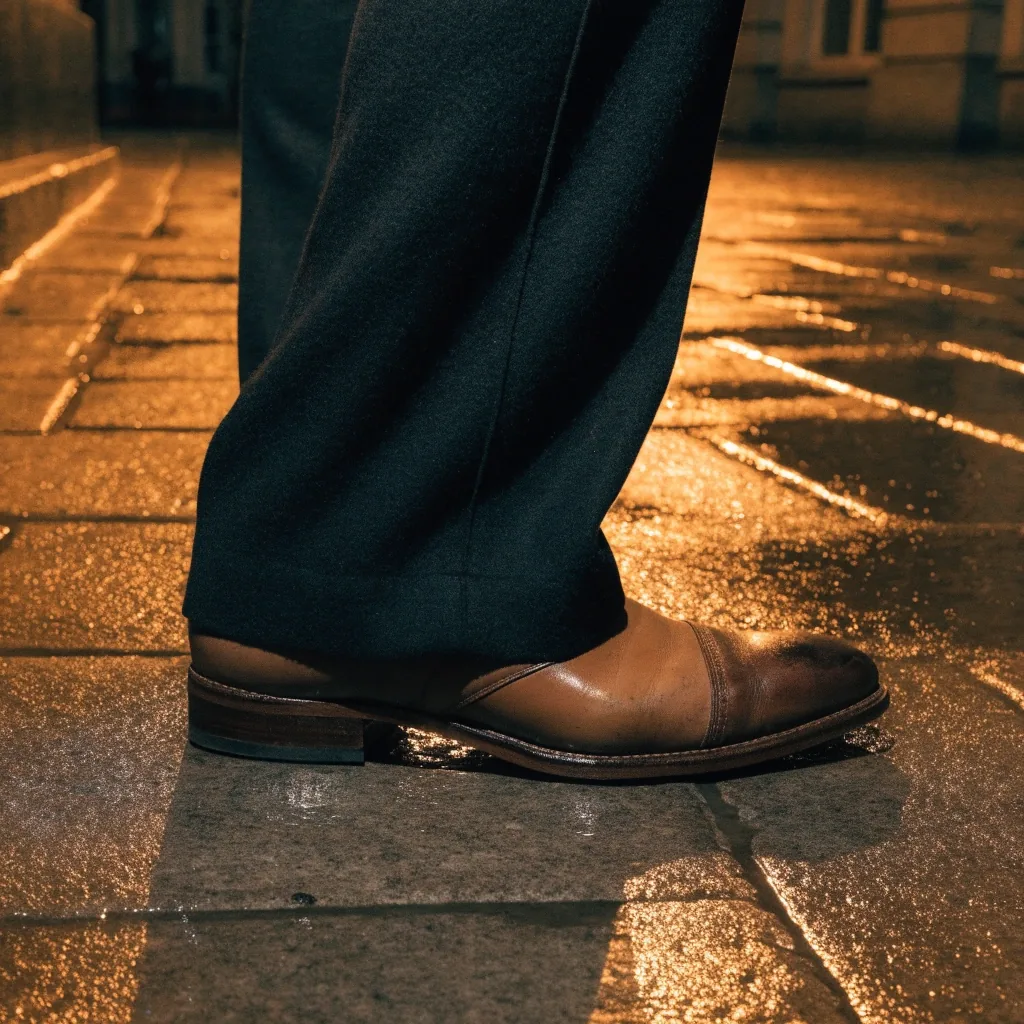
 Look index — dress codes
Invitations and offices hand you shorthand: business casual, cocktail, black tie. Here is what each phrase actually asks of you.
Dress codes and what they mean in practice
The short version — when in doubt, dress one notch more formal than you think the room expects
Dress codes are instructions written in shorthand, and the shorthand is often unclear. What counts as business casual in New York may read as formal in another part of the country, and cocktail attire has shifted meaning more than once. This page translates the common codes into concrete choices and explains the reasoning behind each one.
Why dress codes are vague
A dress code is a social contract, not a uniform. It tells you roughly how formal to be and leaves the details to you, which is why the same phrase produces wildly different outfits.
The ambiguity is partly intentional: hosts and employers want to signal a level without dictating specifics. Reading a code well means understanding the level it is pointing at, then choosing within that range.
When in doubt, aim slightly more formal than you think is needed. It is easier to take off a jacket than to produce one you did not pack.
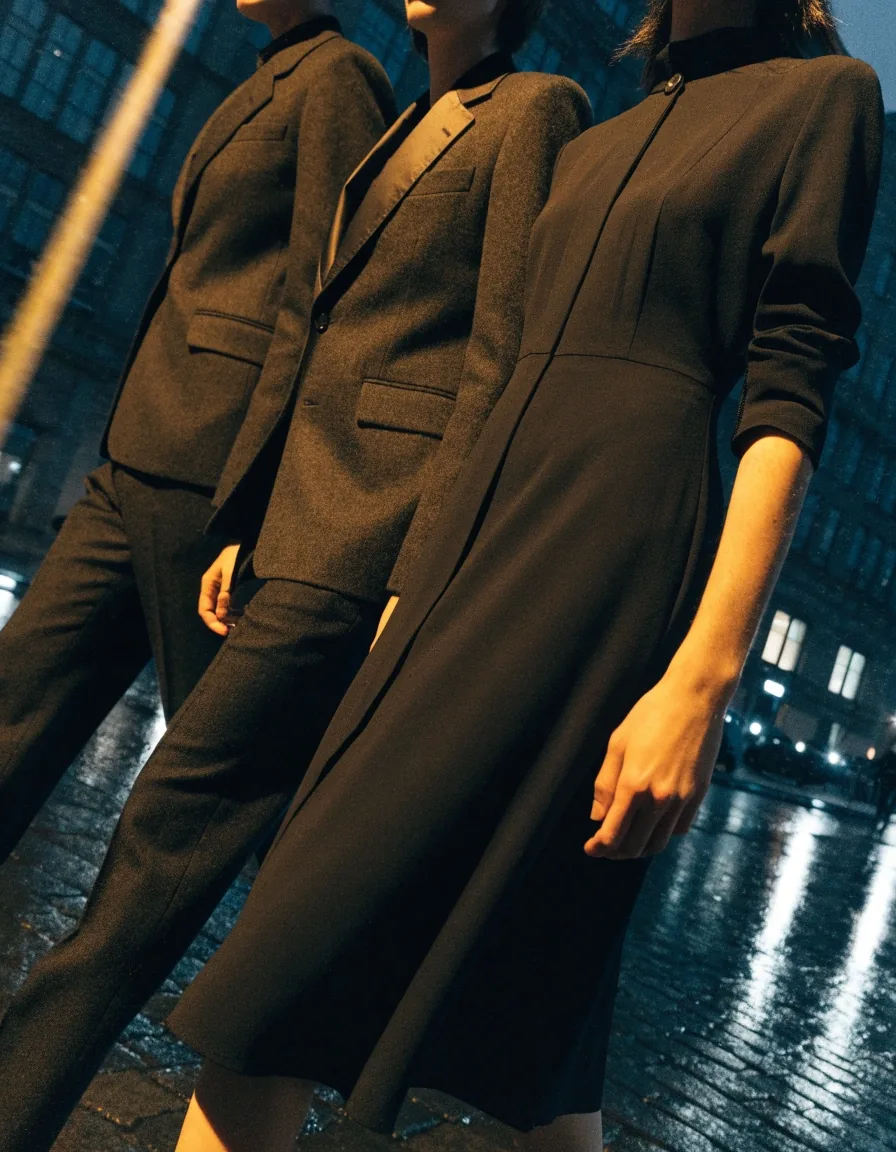
The common codes, translated
Five phrases cover most invitations and offices. Each row names the level it points at, what it usually means in American settings, and the one detail people most often get wrong.
Level
Business casual
A collared shirt, tailored trousers or a skirt, and closed shoes. A blazer is optional and rarely wrong. What separates it from casual is structure: fabrics with body, seams that hold a line, shoes that are not athletic. In relaxed industries dark denim can work if the rest of the outfit carries the formality.
Most misread code in American offices. It does not mean jeans and a t-shirt, and it does not mean a suit without a tie.
Level
Cocktail attire
A dress or tailored separates in a fabric with some weight, with heels or dress shoes. Length is flexible: knee to midi covers almost every interpretation. Skip anything that reads as everyday, including casual knits and flat sandals. If you are unsure, a simple dark outfit in a good fabric is safer than something elaborate.
Sits below formal and above smart casual, which makes it the trickiest code to hit. Length is rarely the problem — fabric usually is.
Level
Black tie
For men, a tuxedo, a formal shirt, and a bow tie. For women, a floor-length gown or a formal cocktail dress. The rules exist so nobody has to guess, and deviating shows more here than at any other level. If the invitation says black tie, treat it literally. Black tie optional leaves room for a dark suit or a formal dress.
The clearest rules of any code, which makes it the easiest to follow. Read the invitation twice before improvising.
Level
Smart casual
Clean lines in comfortable fabrics: chinos or dark denim, a knit or an open collar, and a shoe with some intent. This is the level most daytime gatherings actually mean. The failure mode is treating it as whatever you wore that morning — press the shirt, and the outfit reads differently.
The loosest code with a real floor. Comfortable does not mean unconsidered.
Level
Formal, unspecified
A dark suit or a long dress in a fabric that holds its shape. When an invitation just says formal without naming black tie, this is the safe reading. Evening leans dressier than afternoon, and a hotel ballroom leans dressier than a private home.
The catch-all code. Read the venue and the hour before you read the word.
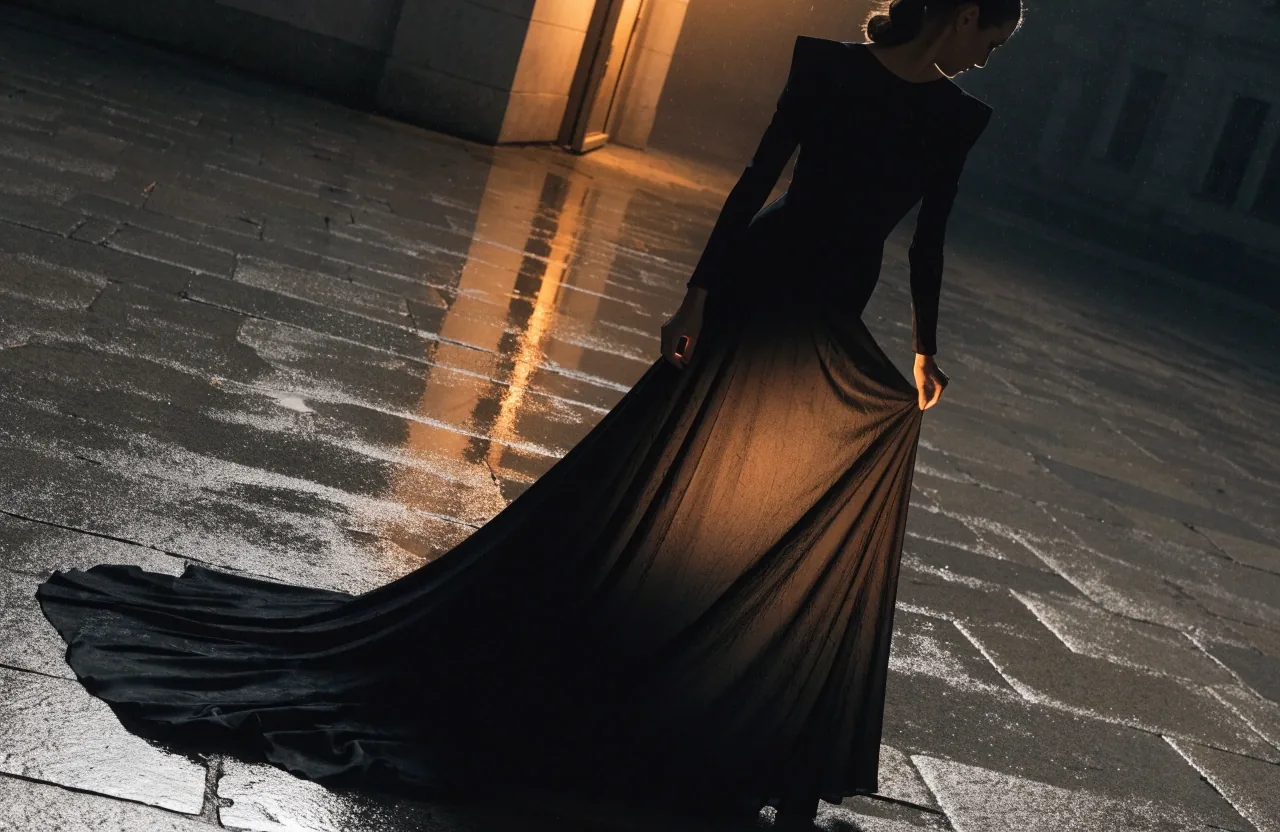 Black tie reads literally
Weddings as a guest
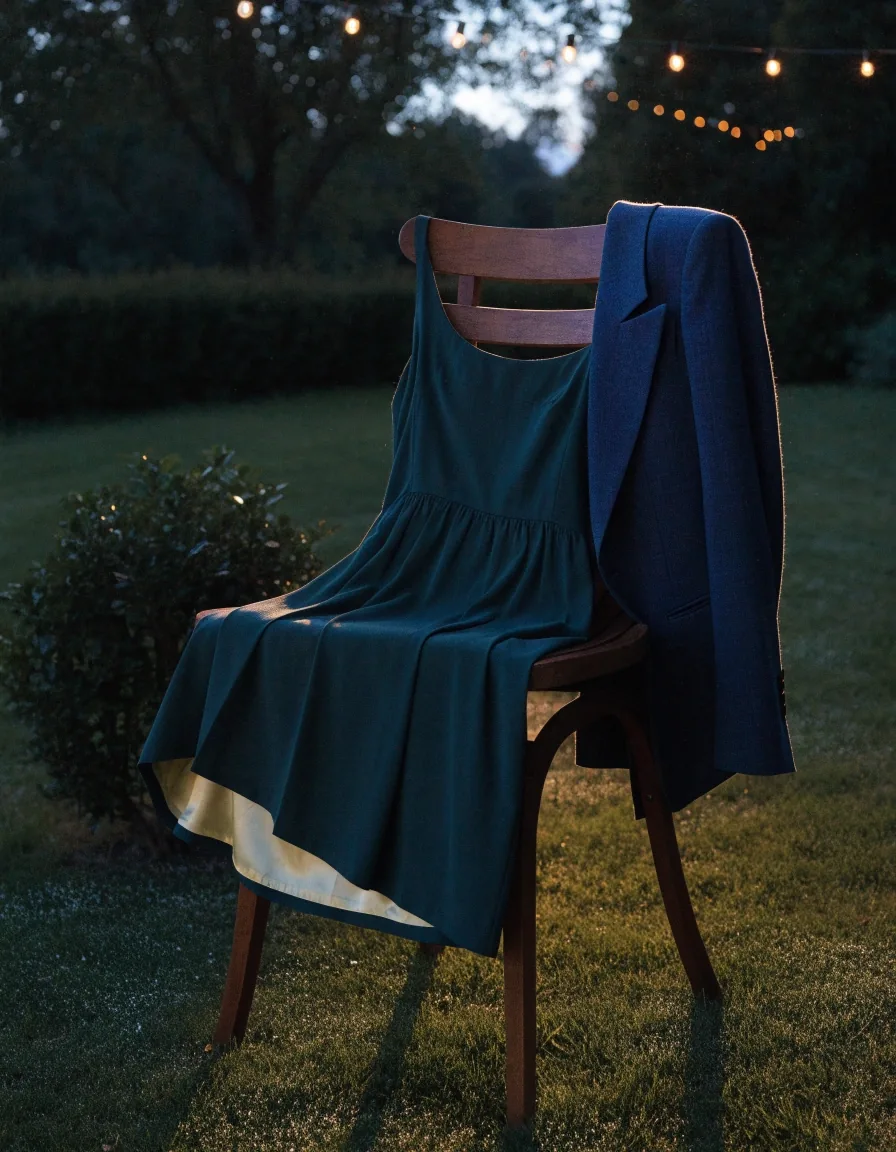
Wedding dress codes vary more than any other category, and the invitation usually tells you what you need. The main rule is not to compete with the couple: avoid white, and avoid anything that photographs louder than the wedding party.
Beyond that, match the venue. A barn or an outdoor ceremony allows more relaxed fabrics and colors; a hotel ballroom calls for something more structured. Check the time of day too, since evening weddings tend to run more formal than afternoon ones.
One practical habit: look at the ceremony location in daylight before you decide. Linen that looks elegant indoors can read creased and casual outdoors by four in the afternoon, and a structured crepe that feels heavy in a garden reads correctly in a ballroom.
Leans relaxed
Barn, beach, or garden ceremony, daytime start, informal invitation wording. Softer fabrics, lighter colors, flats or low heels you can walk in on grass.
Leans structured
Hotel ballroom, evening start, or an invitation that names a dress code. Tailored separates or a midi dress in a fabric that holds its line, with a proper shoe.
Dressing for travel
Travel dressing is about resilience more than formality. Choose fabrics that resist wrinkling, layers you can remove and carry, and shoes you can walk in for hours.
A single structured outer layer can lift an otherwise casual outfit if you need to arrive somewhere presentable. The goal is to look intentional without looking like you have tried, which usually means keeping colors simple and silhouettes clean.
Pack for the most formal thing you will do on the trip, not the average. One blazer or one dress in the right fabric covers the dinner you did not plan for.
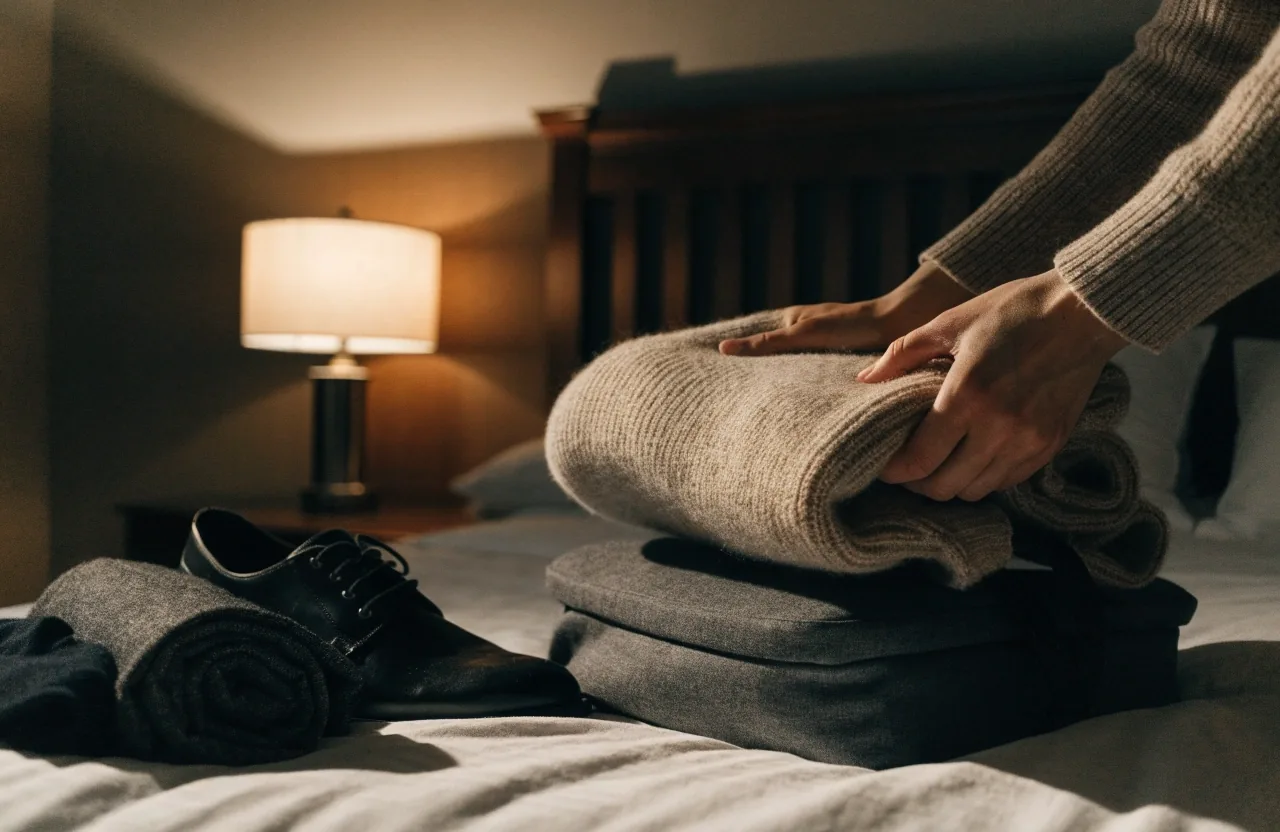
The travel rule of thumb
Two neutral colors, one fabric that holds a crease, and one layer that makes the rest of the bag presentable. Everything else is optional.
When the code is not stated
Many invitations and workplaces do not specify anything, which leaves you to infer. Look at the venue, the time, and who is hosting. A daytime event at a private home is usually smart casual; an evening event at a hotel is usually more formal.
In offices, the safest approach is to match what the most senior people wear, then adjust. That is not about hierarchy so much as about what the room has agreed to treat as normal.
If you are still unsure, a clean, well-fitting outfit in a neutral color rarely reads as wrong in any setting. Fit and condition matter more than the label at this point: a pressed shirt beats an expensive one that has been sitting in a bag.
Three questions to ask yourself
- What time of day does this start, and does it run past sunset?
- What does the venue look like from the street, and how do people dress there normally?
- Who is hosting, and what would they wear to their own event?
Regional differences in the US
Dress codes are not uniform across the country. None of this is a rule, but it is useful context when you are deciding how much to dress up.
Finance and media cities tend to read more formal for the same occasion, with collars and closed shoes as the baseline even in casual settings.
Dressier baseline
Tech hubs run the other way, where business casual often means something closer to casual and a blazer can read as overdressed at a weekday meeting.
Looser baseline
The South and parts of the Northeast can run dressier for the same event than the West Coast, particularly for weddings, church, and family gatherings.
Occasion-led
If you are visiting from elsewhere, err on the side of slightly more formal. You can always loosen a collar or drop a jacket once you see the room.
Safe default
Questions readers ask most
What if I am unsure about a dress code?
Aim slightly more formal than you think is needed. It is easier to remove a layer or a jacket than to add one.
Can I wear jeans to a business casual workplace?
In some industries, yes, if the rest of the outfit is structured. Check what colleagues wear before deciding, and keep the denim dark and the shoes deliberate.
Does cocktail attire mean a long dress?
Not necessarily. Knee to midi length covers most interpretations. The key is a fabric with some weight rather than everyday casual material.
Is black tie the same as formal on every invitation?
No. Black tie names a specific set of garments, while formal on its own is the broader level below it. If the invitation names black tie, follow it literally; if it only says formal, a dark suit or a long dress is the right read.
Continue the index
Read the codes, then build the wardrobe around them
Kucul is an editorial index, not a shop. There is nothing to buy here — only the reasoning behind what you already own, and what to look for when you replace it. Start with the codes above, then move through the fabric and fit basics that make any of them easier to hit.
Kucul · 452 W Broadway, New York, NY 10012 · Monday–Friday, 9:00 AM – 6:00 PM · [email protected]