
L.01
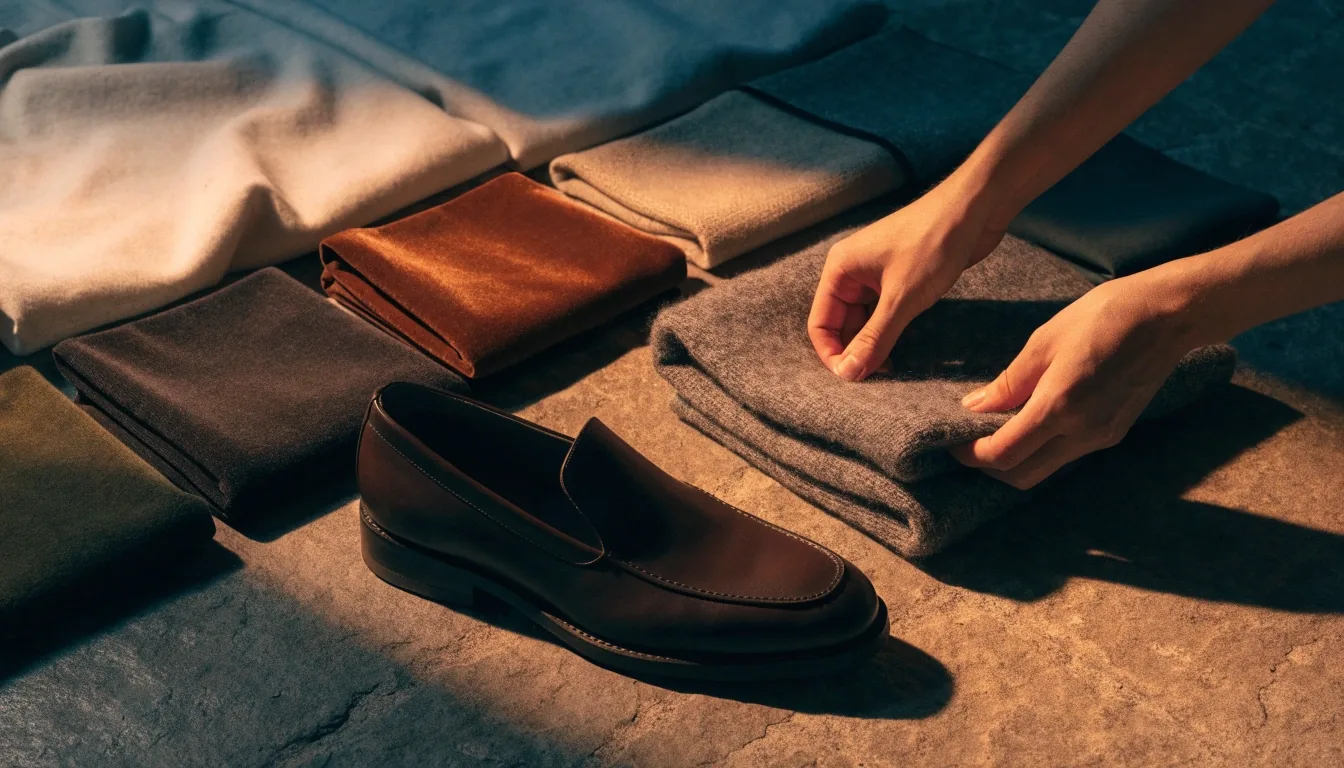
A capsule wardrobe is a small set of clothes that combine without much thought. The word small gets the attention; the real work is in fit and fabric.
How to build a capsule wardrobe that fits
Kucul look index — capsule, layering, fit
This guide covers the base, the layers, and the places where most capsules fall apart. Fewer pieces and more combinations is the whole idea; a working set might be thirty items or fifteen, and the number matters far less than whether each piece earns its space.
What a capsule actually is
The test is combination potential, not the count.
A capsule wardrobe is a small set of clothes that combine without much thought. The idea is simple: fewer pieces, more combinations. A working capsule might be thirty items or fifteen, depending on your life, and the number matters far less than whether each piece earns its space.
If a garment only works with one other thing you own, it is a costume, not a staple. If it works with five, it is pulling its weight. That is the whole test, and it is worth running on the shelf before anything else. A jacket that only reads right over one specific shirt will sit unworn while three other layers cycle through the week; a plain knit that sits under a coat, over a collared shirt, and alone in warm weather is doing five jobs.
Build the set around how you actually spend your week. Five days at a desk, one evening out, and a weekend that is mostly errands produces a different capsule than four days on the road. Write the week down before you shop, then ask of every piece: which of these days does this cover?
Start with the base layer
Base layers sit against the body and do most of the work, which makes fit non-negotiable here. A t-shirt that pulls at the shoulder or a knit that bags at the hem will undermine everything layered over it.
Look for fabric with enough body to hold a line, then check the seams. A finished neckline and straight side seams suggest a garment that will survive washing. Plain colors combine more easily than prints, which is a practical choice rather than an aesthetic one — a plain base disappears under a coat and reads clean on its own.
Two well-fitting base tops in different weights cover most weeks. Add a third only when you can name the day it will serve.

Base layer — seam and neckline detail
Fit beats size on the label
Sizing varies between American brands, so the number on the tag tells you almost nothing. What matters is where the seams land. Read the four checkpoints below in order, from the shoulder down, and use them in the fitting room before you commit.
Shoulder seams
Shoulder seams should sit at the edge of your shoulder, not past it. If the seam hangs onto the arm, the whole garment will read a size too wide no matter what the label says.
Waistband hold
A waistband should stay put when you move — sitting, standing, and reaching. A band that rides down or digs in will make you avoid the garment, which is how a piece quietly leaves the rotation.
Hem length
Hem length is personal, but it should be consistent across your wardrobe so pieces layer predictably. Two tops at slightly different lengths will fight each other under one coat.
Between two sizes
If you are between sizes, choose the one that fits your shoulders and have the rest adjusted. Shoulders are the hardest seam to alter and the one that carries the whole silhouette.

Layers in the weather — one coat, three weeks
Layering for work, weekend, and travel
The same capsule can cover all three if you plan the layers rather than the outfits. Work, weekend, and travel ask different things of one base piece, and the difference is almost always the layer on top.
Work
Structure over a simple base
For work, a structured outer layer over a simple base reads as intentional without needing a second wardrobe. One clean jacket, one plain top, one bottom that holds a line. Keep the palette to two colors here and let the cut do the talking — that is what makes an outfit look considered rather than assembled.

Weekend swap — knit and overshirt
Weekend
Swap the structure for a knit
For weekends, swap the structure for a knit or an overshirt and the same base still works. Nothing else changes: same top, same bottom, softer layer. That single substitution is the reason a small wardrobe can feel larger than it is, because you are recombining rather than replacing.
Travel
Pack layers, not outfits
Travel is the real test. Choose fabrics that resist wrinkling, keep to two colors that combine, and pack layers rather than outfits. A trip of any length gets easier when every top works with every bottom, and a single scarf or overshirt covers the temperature swing between a plane seat and an evening out.
Where most sets break
Base and outer
Most capsules break in one of two places. The first is a base that does not fit, which forces you to buy replacements and defeats the point of keeping the set small. The second is a missing category: people build a beautiful set of tops and bottoms, then discover they have nothing to wear over them when the weather turns.
Before you consider a capsule complete, walk it through a cold morning. If the answer is a jacket you did not count, the set is not finished. Both failures share a cause: the set was built around pieces that were easy to find rather than pieces that had to be there.
Before you call it complete
- Base Two fitting tops you can wear against the skin
- Mid One knit or overshirt that works over both
- Outer One layer that handles the coldest week you get
- Shoes One pair that reads with everything above
- Occasion One piece for the days that are not everyday
Care changes how long things last
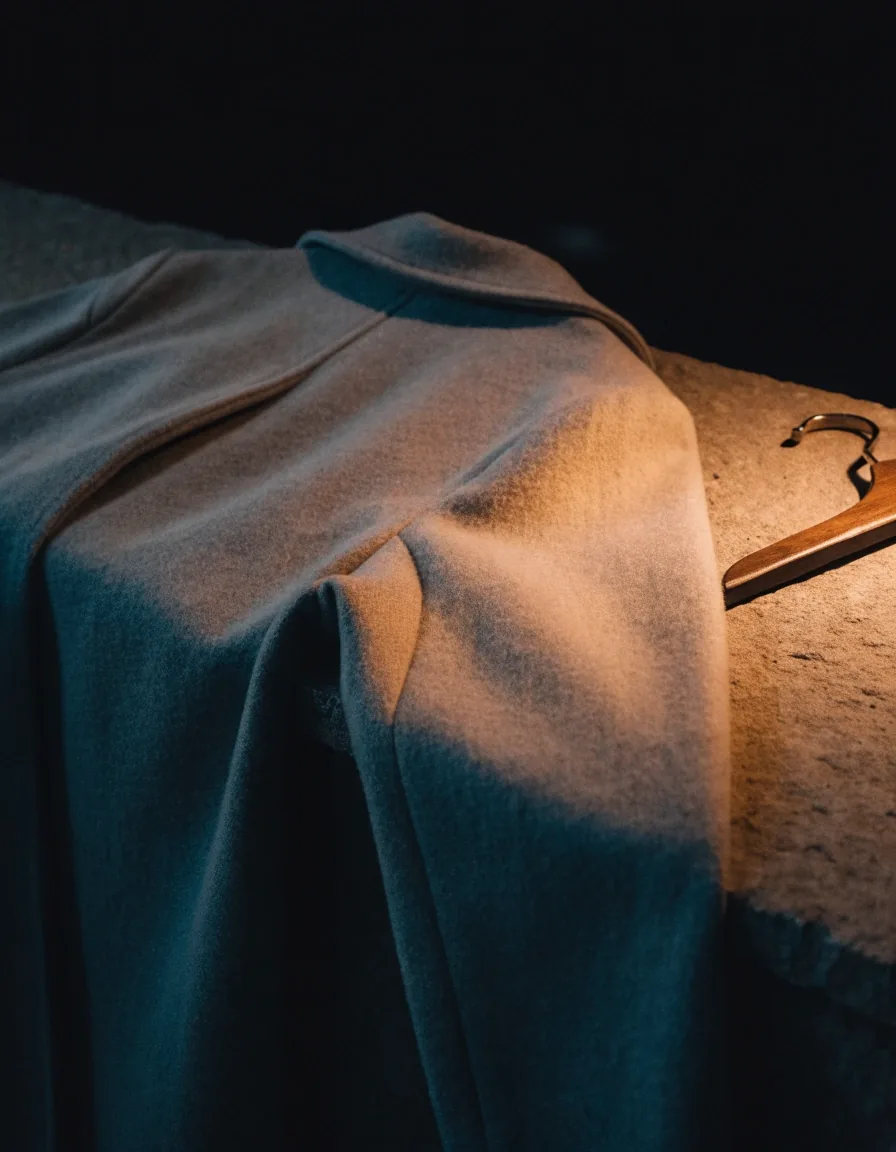
A capsule only stays small if the pieces survive. Washing less often, using cooler water, and drying flat where the fabric allows will extend the life of most garments considerably. Wool needs airing more than washing, and denim tolerates repeated wear between washes better than most people assume. None of this is complicated, but it is the difference between a wardrobe that lasts a few seasons and one that lasts a decade.
The habits that matter most: air between wears, wash at the coolest setting the care label allows, dry flat for anything with weight, and mend a seam before it becomes a hole.
Wool: air for a day before it goes back in the closet, and wash only when it actually needs it.
Fabric noteDenim: repeated wear between washes keeps the fit and the color, and a cold wash protects both.
Fabric noteKnitwear: dry flat, never on a hanger, so the shoulders keep the shape they were cut with.
Fabric noteSeams and hems: a five-minute repair is cheaper than replacing a piece that still has years left in it.
Fabric noteShopping the gaps, not the sales
Once a capsule is working, the only reason to add something is a genuine gap. That is a different kind of shopping: you know what you are looking for, you know what it has to combine with, and you are willing to wait for it.
Sales work against this approach because they reward buying what is available rather than what is needed. A discount does not turn a piece into a gap-filler. The useful habit is to keep a short list of the two or three things your set is missing and let everything else pass.
A note on cost
Building a capsule is not automatically cheaper than buying randomly, at least not at first. Fewer pieces can mean spending more per item, which is only worth it if the item lasts. The savings show up over years, in replacements you do not have to buy and outfits you do not have to think about. If your budget is tight, prioritize the base layer and the outer layer, since those are visible most often and wear out fastest.
Care — dry flat, air between wears
Questions readers ask before they start
How many pieces should a capsule have? Open
Anywhere from fifteen to forty, depending on your climate and how often you do laundry. Combination potential matters more than the count. If every top works with every bottom, a smaller set will outwear a larger one that only pairs in specific ways.
Do I have to throw out everything else? Open
No. Most people build a capsule alongside what they own and let the rest phase out as it wears. Starting from a clean closet is a much harder project than adding three well-chosen pieces and letting the rotation do the rest.
What should I buy first? Open
The base layer. It sits closest to the body and everything else depends on it fitting well. Get the shoulder seam and the neckline right on two plain tops before you spend anything on the layers above them.
Keep reading
Kucul — 452 W Broadway, New York, NY 10012
L.01–04–09 — capsule, layering, care